English (UK)
  Español
  Italiano
  Deutsch
  Français

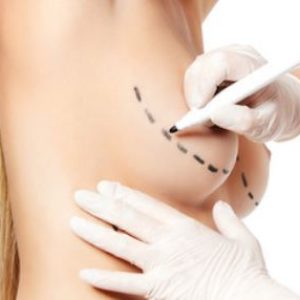
After undergoing breast surgery, such as breast augmentation mammoplasty, increase, mastopexy or breast reduction, the recovery process is key to obtaining the best results and ensuring your well-being. An adequate postoperative period not only helps to avoid complications, but also ensures that the results are more long-lasting and aesthetically pleasing. Here we give you a complete guide to having a healthy postoperative period and answer some common questions.

Immediate care after surgery
The first day after surgery is crucial as your body begins the healing process and adapts to the changes. You are likely to experience some discomfort and pain, but the medications prescribed by your surgeon will help you manage these.
1. Absolute rest
After breast surgery, it is essential that you take the time you need to restAlthough it is tempting to quickly return to your routine, the body needs energy to heal. For the first few days, it is advisable to stay completely rested and avoid any activity that requires effort.
2. Adequate compression
After surgery, you will be given a special compression bra. This bra helps reduce inflammation, provides support and protects incisions. It is very important to follow your surgeon's instructions carefully regarding how long you should wear it, as inadequate compression can negatively affect the results.
3. Surgical drains
In some cases, drains are placed to prevent fluid accumulation in the operated area. These drains are usually removed within a few days, and your doctor will give you instructions on how to care for them. If you notice unusual fluid buildup or severe pain, it's important to report it right away.
Care in the first weeks of a postoperative
After the first critical days, a stage begins in which you will feel more active, but it is equally important to continue taking care of yourself to ensure a full recovery.
1. Avoid exercise and sudden movements
While you should not remain motionless, sudden movements or any type of exercise that involves the chest muscles should be avoided for at least the first four to six weeks. Activities such as lifting your arms above your head, lifting heavy weights, or doing strength exercises can put your stitches at risk and affect your results.
What you can do is take short walks indoors to stimulate circulation and reduce the risk of blood clots.
2. Take care of scars
Surgical incisions must be treated with special care. Avoid getting them wet for the first 48 hours or until your doctor says it's okay, and follow directions on how to clean them properly. You'll likely be told to use of healing creams or silicone patches to improve the appearance of scars. It is also essential to protect them from the sun, since direct exposure to UV rays can darken them and make them more noticeable.
3. Do not smoke or consume alcohol
Smoking and drinking alcohol during the postoperative period can negatively affect the healing process. Nicotine reduces blood flow to the tissues, which can delay healing and increase the risk of complications, such as infections or skin necrosis. On the other hand, alcohol can interfere with medications you are taking and also affect your body's ability to heal efficiently.
4. Balanced diet
A nutrient-rich diet is essential for a quick and effective recovery. Make sure to include protein rich foods, which help repair tissue, and vitamins A and C, which strengthen the immune system and promote healing. Drinking plenty of water is also crucial, as proper hydration improves skin elasticity and the overall recovery process.

Return to daily activities
Full recovery time depends on the type of breast surgery and how your body responds to the procedure, but in general, most patients can gradually return to their daily activities after about four to six weeks.
1. Back to work
If your job does not involve lifting weights or strenuous physical activities, You could return to work in about two weeks., depending on how you feel. For more physical work, you may need to wait longer.
2. Resumption of exercise
Intense physical activities should be avoided for at least six weeks. After this period, and with your doctor's approval, you can gradually begin to resume exercise. You may need to avoid high-impact exercises or exercises that involve the pectoral muscles for longer periods of time.
3. Daily activities
Although you may be tempted to get back to normal as soon as possible, remember that your health is a priority. Tasks such as lifting heavy objects or caring for small children should be delegated until you feel fully recovered. The goal is not to put the results of the surgery at risk. and make sure your body has the time it needs to heal.
If you have any questions or would like to schedule a consultation with a specialized doctor to discuss your procedure, do not hesitate to contact us.