English (UK)
  Español
  Italiano
  Deutsch
  Français

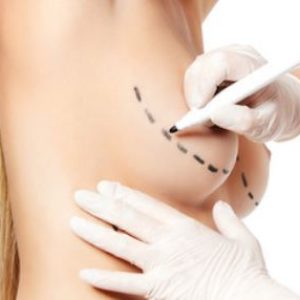

The areola reduction, is an outpatient surgical procedure that seeks to modify the size and shape of the areola, the pigmented area around the nipple. In general, it could be said that this is not a physical health problem because it does not affect breastfeeding; however, there are other implications on a psychological level that can affect the patient who has a condition in this area.
In this sense, we can say that this procedure can improve self-esteem and confidence on oneself, especially in women with large areolas that do not fit the proportion of the breast or cause discomfort.
If this is your case or if you consider that you may require a areola reduction, here we leave you all the information you need regarding this procedure. However, do not forget that before starting any process, you must contact a specialist who can make a proper diagnosis and offer a solution that meets your needs.

Who is areola reduction for?
As we have previously mentioned, areola reduction is aimed at those people who manifest a certain discomfort or dissatisfaction with your appearance. In this procedure it can be a good option for:
- Women with large areolass: An areola is considered large if it exceeds 4 cm in diameter.
- Women with asymmetry in the areolas: If the areolas have a significantly different size from each other. In this case, if there are also abnormalities in the shape of the breast, you can opt for breast reconstruction.
- Areolas that do not fit the proportion of the breast: If the areolas are too large or small in relation to the size of the breast.
- Women who experience discomfort with areolas: If the areolas rub against clothing or cause irritation.
- Those who undergo breast reconstruction: Areola reduction can be part of the reconstruction process after a mastectomy.
How is areola reduction performed?
There are two main techniques for areola reduction, Which are the following:
Periareolar technique:
- A circular incision is made around the areola.
- Removes excess skin and glandular tissue.
- Suture the skin to create a smaller, naturally shaped areola.
Miter technique:
- An inverted “V” shaped incision is made at the bottom of the areola.
- Removes a triangle of skin and glandular tissue.
- The areola is repositioned and the skin is sutured to create a more harmonious shape.
The choice of technique It will depend on the size of the areola, the desired shape, and the characteristics of each patient. Please note that this procedure usually lasts between 1 and 2 hours and is performed under local or general anesthesia.
Also, remember that choosing the most appropriate technique will depend on the considerations of the treating physician, so that he or she can identify the patient's needs to offer the best results.
What to expect after areola reduction?
Like any surgical intervention, it is normal that after its completion you must assume some consequences that remain during recovery. In this case, you must take into account the following:
- Swelling and bruising: It is normal to experience swelling and bruising in the treated area during the first few days.
- Bandage: A bandage will be placed to protect the area and control inflammation.
- Sutures: The sutures are reabsorbed in about 10-14 days.
- Sensitivity: There may be a temporary decrease in sensation in the area.
- Results: Final results are seen after 3 to 6 months.

recommendations
In principle, it is important to follow your surgeon's instructions for a safe and successful recovery. But, in addition to that, we leave you some recommendations that you can keep in mind at the time of recovery:
- Postoperative care: Keep the area clean and dry, avoid intense physical activities and protect the area from the sun.
- Pain management: Pain medications may be prescribed to control pain during recovery.
- Results: The results are permanent, although the areola may slightly increase in size with time or pregnancy.
- Beyond aesthetics: Areola reduction can not only improve the appearance of the breast, but also self-esteem and self-confidence. Women who have undergone this procedure report greater satisfaction with their bodies and a better quality of life.
Don't forget that a specialist will be able to advise you even better regarding this procedure and when it is advisable to opt for this solution. Additionally, they should guide you from diagnosis to monitoring results to ensure that the procedure is successful.
If you still do not know who to go to for more information about this intervention, we recommend that you contact Mamma Surgery.